

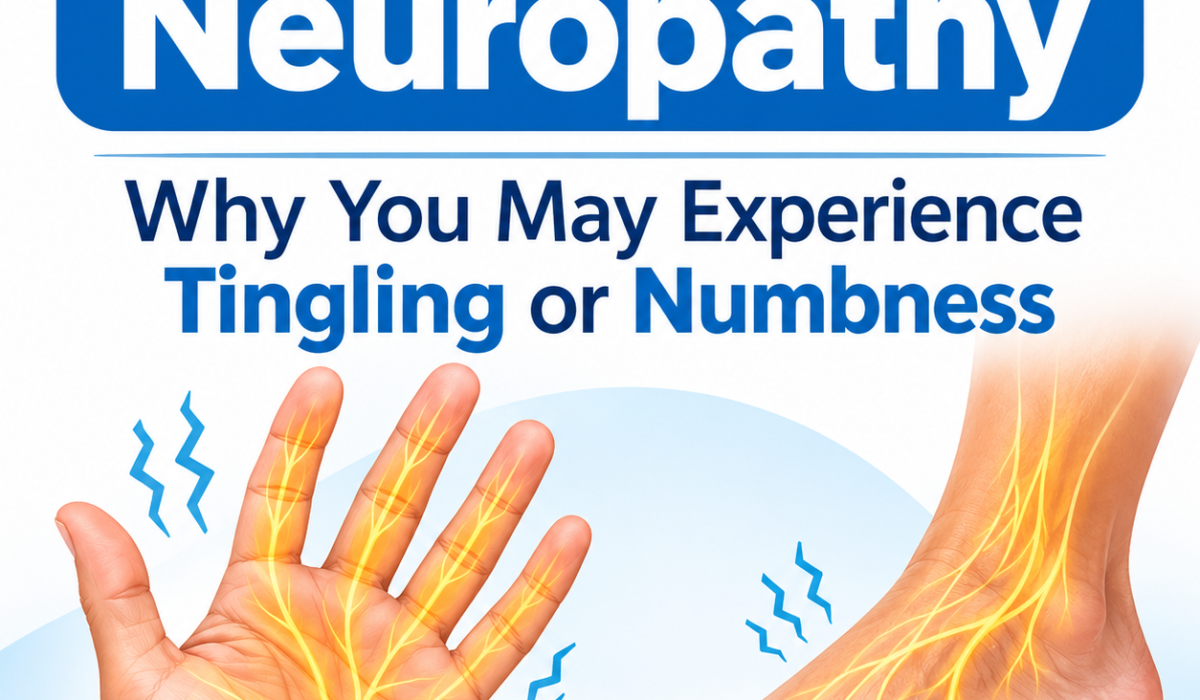
Peripheral Neuropathy: Why You May Experience Tingling or Numbness
Have you ever experienced a tingling sensation in your hands or feet, a feeling of pins and needles, or unexplained numbness? These symptoms may sometimes indicate a condition called peripheral neuropathy, which occurs when the peripheral nerves become damaged or stop functioning properly.
Peripheral neuropathy can affect sensation, muscle strength, and coordination. While symptoms may begin gradually, early diagnosis and appropriate treatment can help manage the condition and prevent complications.
What Is Peripheral Neuropathy?
The peripheral nervous system consists of nerves that connect the brain and spinal cord to the rest of the body. These nerves carry messages that help you feel sensations, move your muscles, and regulate certain automatic body functions.
Peripheral neuropathy develops when one or more of these nerves are damaged. It most commonly affects the feet and hands, although other areas of the body may also be involved.
Depending on the nerves affected, peripheral neuropathy may cause sensory, motor, or autonomic symptoms.
Common Symptoms of Peripheral Neuropathy
Symptoms can vary depending on the type of nerve damage and its severity.
1. Tingling and Pins-and-Needles Sensations
You may experience tingling, prickling, or a sensation similar to electric shocks in your feet, toes, fingers, or hands.
These sensations may occur intermittently or become persistent over time.
2. Numbness and Reduced Sensation
Some people experience reduced sensitivity to touch, temperature, or pain.
This can make it difficult to notice injuries, burns, or pressure sores, particularly in the feet.
3. Burning or Shooting Pain
Peripheral neuropathy may cause burning, stabbing, or sharp shooting pain. Symptoms can become more noticeable at night and may interfere with sleep.
4. Muscle Weakness
Damage to motor nerves can cause weakness, difficulty gripping objects, trouble climbing stairs, or problems lifting the feet while walking.
5. Balance and Coordination Problems
Reduced sensation in the feet can affect balance and increase the risk of falls.
Some people may also experience difficulty walking steadily or knowing where their feet are positioned without looking.
What Causes Peripheral Neuropathy?
Peripheral neuropathy can develop for several reasons. Identifying the underlying cause is important for effective treatment.
Diabetes
Diabetes is one of the most common causes of peripheral neuropathy. Persistently elevated blood glucose levels can damage nerves over time.
Diabetic neuropathy often begins in the feet and may gradually progress toward the legs and hands.
Vitamin Deficiencies
Deficiencies in certain vitamins, particularly vitamin B12, can damage peripheral nerves.
Other nutritional deficiencies, including vitamin B1 or vitamin B6 abnormalities, may also contribute to neuropathy.
Alcohol-Related Nerve Damage
Excessive alcohol consumption can contribute to nerve damage through direct toxicity and nutritional deficiencies.
Medication Side Effects
Certain medications, including some chemotherapy drugs, may cause peripheral neuropathy.
If you suspect a medication is contributing to your symptoms, consult your doctor before making any changes.
Nerve Compression
Conditions such as carpal tunnel syndrome can compress individual nerves and cause numbness, tingling, or weakness in specific areas.
Other Medical Conditions
Peripheral neuropathy may also be associated with:
- Kidney or thyroid disorders
- Autoimmune diseases
- Certain infections
- Inherited neurological conditions
- Exposure to specific toxins
In some cases, the cause remains unknown despite medical evaluation.
When Should You See a Neurologist?
You should consult a neurologist if you experience:
- Persistent or recurring tingling or numbness
- Burning pain in your hands or feet
- Unexplained muscle weakness
- Difficulty walking or maintaining balance
- Symptoms that gradually worsen or spread
- Reduced sensation that increases the risk of unnoticed injuries