The Importance of Early Diagnosis in Neurological Conditions
Our brain, spinal cord, and nerves control every movement, sensation, thought, and memory. When something affects the nervous system, even minor symptoms can sometimes indicate an underlying neurological condition. Recognizing these signs early and seeking medical attention can make a significant difference in treatment outcomes and quality of life.
What Are Neurological Conditions?
Neurological conditions are disorders that affect the brain, spinal cord, or peripheral nerves. These conditions can impact movement, speech, memory, balance, vision, sensation, and overall body function.
Some common neurological disorders include:
- Stroke
- Brain aneurysm
- Epilepsy
- Parkinson’s disease
- Alzheimer’s disease and other forms of dementia
- Multiple sclerosis
- Peripheral neuropathy
- Brain tumors
- Migraine and chronic headaches
- Spinal cord disorders
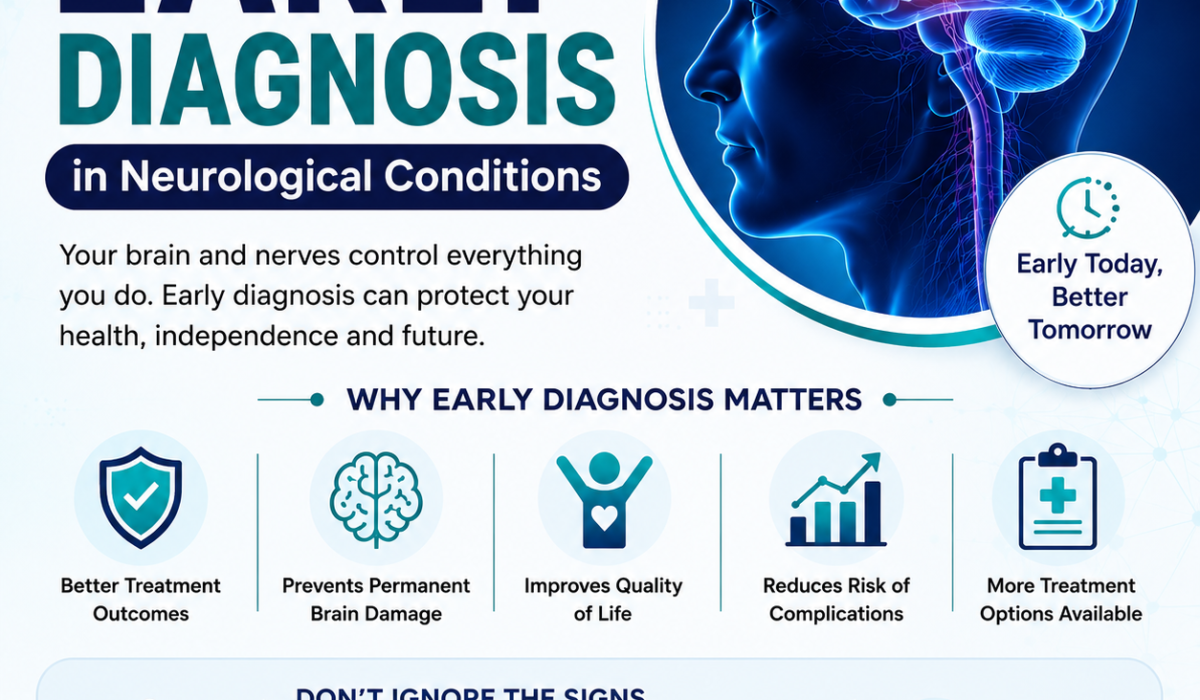
Why Early Diagnosis Matters
1. Better Treatment Outcomes
Many neurological conditions respond much better when diagnosed early. Timely intervention can slow disease progression, reduce complications, and improve recovery.
For example, in the case of a stroke, immediate medical treatment can restore blood flow to the brain and significantly reduce long-term disability.
2. Prevents Permanent Brain Damage
Certain neurological emergencies, such as strokes, brain hemorrhages, and infections, can cause irreversible brain damage if left untreated. Early diagnosis allows doctors to begin life-saving treatment before permanent injury occurs.
3. Improves Quality of Life
Early management helps patients maintain independence, mobility, memory, and communication skills for a longer period. Rehabilitation can also begin sooner, leading to better functional recovery.
4. Reduces the Risk of Complications
Untreated neurological disorders may lead to serious complications such as paralysis, seizures, cognitive decline, difficulty swallowing, or loss of independence. Early medical care helps minimize these risks.
5. Expands Treatment Options
Many advanced treatments are most effective during the early stages of neurological disease. Early diagnosis gives patients access to medications, minimally invasive procedures, rehabilitation therapies, and lifestyle interventions before the condition progresses.
Warning Signs You Should Never Ignore
Consult a neurologist immediately if you experience any of the following symptoms:
- Sudden weakness or numbness on one side of the body
- Difficulty speaking or understanding speech
- Severe or sudden headache
- Loss of balance or coordination
- Frequent dizziness
- Persistent numbness or tingling
- Memory loss or confusion
- Recurrent seizures
- Vision problems
- Difficulty walking
- Tremors or involuntary movements
- Persistent facial weakness
These symptoms may indicate a neurological condition that requires prompt evaluation.
Common Diagnostic Tests
A neurologist may recommend one or more of the following investigations:
- Detailed neurological examination
- MRI Scan
- CT Scan
- EEG (Electroencephalogram)
- EMG and Nerve Conduction Studies
- Blood investigations
- Vascular imaging (CT Angiography or MR Angiography)
- Lumbar puncture (when indicated)
These tests help identify the exact cause of symptoms and guide the most appropriate treatment plan.
Conditions Where Early Diagnosis Is Especially Important
Stroke
Every minute counts during a stroke. Immediate diagnosis and treatment can save brain tissue and improve recovery.
Parkinson’s Disease
Early diagnosis allows medications and therapy to better control symptoms and maintain independence.
Alzheimer’s Disease
Identifying cognitive decline early helps patients and families plan care while treatments may help manage symptoms.
Epilepsy
Prompt diagnosis helps prevent recurrent seizures and reduces the risk of seizure-related injuries.
Brain Aneurysm
Detecting an aneurysm before it ruptures can be life-saving and may prevent a devastating brain hemorrhage.
Who Is at Higher Risk?
You may have an increased risk of neurological disorders if you:
- Are over 60 years of age
- Have high blood pressure
- Have diabetes
- Have high cholesterol
- Smoke or consume excessive alcohol
- Have obesity
- Have a family history of neurological disorders
- Lead a physically inactive lifestyle
- Have heart disease
Regular health check-ups and management of these risk factors can significantly reduce the likelihood of serious neurological conditions.
Tips to Protect Your Brain Health
- Maintain healthy blood pressure.
- Control blood sugar and cholesterol.
- Exercise regularly.
- Eat a balanced diet rich in fruits, vegetables, whole grains, and healthy fats.
- Get adequate sleep.
- Avoid smoking and excessive alcohol.
- Stay mentally active through reading, puzzles, and learning new skills.
- Manage stress effectively.
- Attend regular medical check-ups.
When Should You See a Neurologist?
Do not ignore persistent or sudden neurological symptoms. Early consultation with a neurologist can help identify the cause, begin timely treatment, and prevent long-term complications.
If you experience sudden weakness, difficulty speaking, severe headache, seizures, or loss of consciousness, seek emergency medical attention immediately.