
Epilepsy Treatment in KPHB: Understanding Seizures and Long-Term Care
Epilepsy is a neurological condition characterized by a tendency to have recurrent seizures. A seizure happens when there is a sudden burst of abnormal electrical activity in the brain. Although epilepsy can affect people of any age, the symptoms, causes, and treatment approach can vary from person to person.
If you or a family member experiences repeated seizures, unexplained episodes of unconsciousness, unusual movements, or periods of confusion, consulting a neurologist can help with proper evaluation and long-term management.
What Is Epilepsy?
Epilepsy is diagnosed when a person has an ongoing tendency to experience seizures that are not caused by an immediately reversible condition.
Seizures can affect different parts of the brain and may present in different ways. Some people experience noticeable body movements, while others may have brief periods of staring, confusion, unusual sensations, or loss of awareness.
Having a single seizure does not necessarily mean a person has epilepsy. A neurologist may need to assess the person’s symptoms, medical history, examination findings, and test results before making a diagnosis.
What Are the Common Symptoms of Seizures?
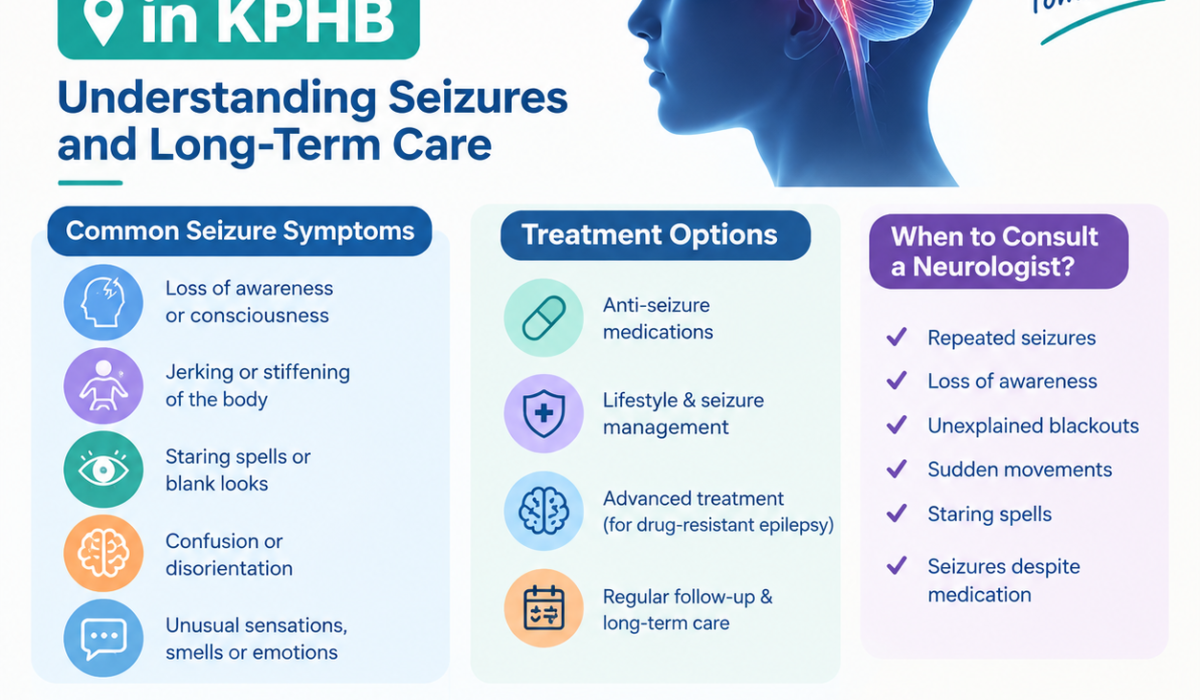
Seizure symptoms can vary significantly. Possible symptoms include:
- Sudden loss of awareness or consciousness
- Uncontrolled jerking or stiffening of the body
- Staring blankly for a short period
- Temporary confusion or disorientation
- Repetitive movements such as lip-smacking or hand movements
- Sudden unusual sensations, smells, tastes, or emotions
- Temporary difficulty speaking
- Memory gaps surrounding the episode
- Extreme tiredness or sleepiness after a seizure
Because seizures can sometimes look like other medical conditions, professional evaluation is important.
What Causes Epilepsy?
There are several possible causes of epilepsy. These may include:
- Genetic factors
- Previous brain injury
- Stroke
- Brain infections
- Developmental conditions
- Brain tumors or structural abnormalities
- Problems affecting brain development
In some people, despite detailed testing, a specific cause may not be identified.
How Is Epilepsy Diagnosed?
A neurologist may use several types of information to understand a person’s seizures.
Medical and Seizure History
Details about what happened before, during, and after an episode can be extremely useful. If possible, family members or witnesses can describe the event or provide a video recorded safely from a distance.
Neurological Examination
A neurological examination can help identify signs that may provide clues about the underlying condition.
EEG
An electroencephalogram (EEG) records the brain’s electrical activity and may help identify abnormal electrical patterns associated with seizures.
Brain Imaging
Depending on the individual’s symptoms and clinical findings, an MRI or other imaging study may be recommended to look for structural abnormalities.
Additional blood tests or other investigations may be considered when appropriate.
Epilepsy Treatment in KPHB
Epilepsy treatment is individualized based on factors such as seizure type, frequency, age, underlying cause, other medical conditions, and response to treatment.
1. Anti-Seizure Medications
Anti-seizure medicines are commonly used to reduce the risk of further seizures. The choice of medication depends on the type of seizure and the individual’s circumstances.
It is important to take prescribed medication consistently and not stop it suddenly without medical advice, as this may increase the risk of seizures.
2. Lifestyle and Seizure Management
Along with prescribed treatment, maintaining healthy routines may help with seizure management.
Important measures can include:
- Getting adequate and regular sleep
- Taking medication as prescribed
- Avoiding known seizure triggers
- Limiting alcohol where appropriate
- Managing stress
- Attending scheduled follow-up appointments
A seizure diary can also help track seizure frequency, possible triggers, medication changes, and recovery.
3. Treatment for Drug-Resistant Epilepsy
Some people continue to experience seizures despite appropriate medication. This may be referred to as drug-resistant or medication-resistant epilepsy.
Such patients may require evaluation at a specialized epilepsy center. Depending on the individual’s condition, treatment options can include specialized medications, dietary therapy, neuromodulation, or epilepsy surgery.
What Should You Do During a Seizure?
If someone is having a generalized convulsive seizure:
- Stay calm and remain with the person.
- Move nearby dangerous objects away.
- If possible, place them gently on their side after the convulsions stop or when safe to do so.
- Protect their head with something soft.
- Loosen tight clothing around the neck.
- Note how long the seizure lasts.
- Stay with them until they are fully alert.
Do not restrain the person and do not put food, water, medicine, or objects into their mouth.
When Is Emergency Care Needed?
Seek emergency medical assistance if:
- The seizure lasts longer than 5 minutes.
- Another seizure begins before the person has recovered.
- The person has difficulty breathing or does not regain consciousness.
- The seizure occurs in water.
- The person has suffered a serious injury.
- It is the person’s first known seizure.
- The person is pregnant or has another serious medical condition.
Why Is Long-Term Follow-Up Important?
Epilepsy management is not only about stopping seizures today. Regular follow-up allows a neurologist to monitor seizure control, medication effectiveness and side effects, and changes in the patient’s condition.
Treatment may sometimes need to be adjusted over time. Patients should discuss any concerns about medication, pregnancy planning, driving, work, exercise, or other daily activities with their treating neurologist.
When Should You Consult a Neurologist in KPHB?
Consider consulting a neurologist if you or a family member experiences:
- Repeated unexplained seizures
- Episodes of loss of awareness
- Recurrent unexplained blackouts
- Sudden involuntary movements
- Repeated staring spells
- Confusion or memory gaps after unusual episodes
- Seizures despite taking prescribed medication
- Side effects from anti-seizure medication
Early and accurate evaluation can help determine the type of seizure and appropriate treatment approach.
Epilepsy Treatment in KPHB – Take the Right Step
Living with epilepsy can be challenging, but appropriate diagnosis, treatment, medication adherence, and regular medical follow-up can help many people manage their condition and maintain their daily activities.
If you are looking for epilepsy treatment in KPHB, consult a qualified neurologist for an individualized evaluation and long-term care plan.