
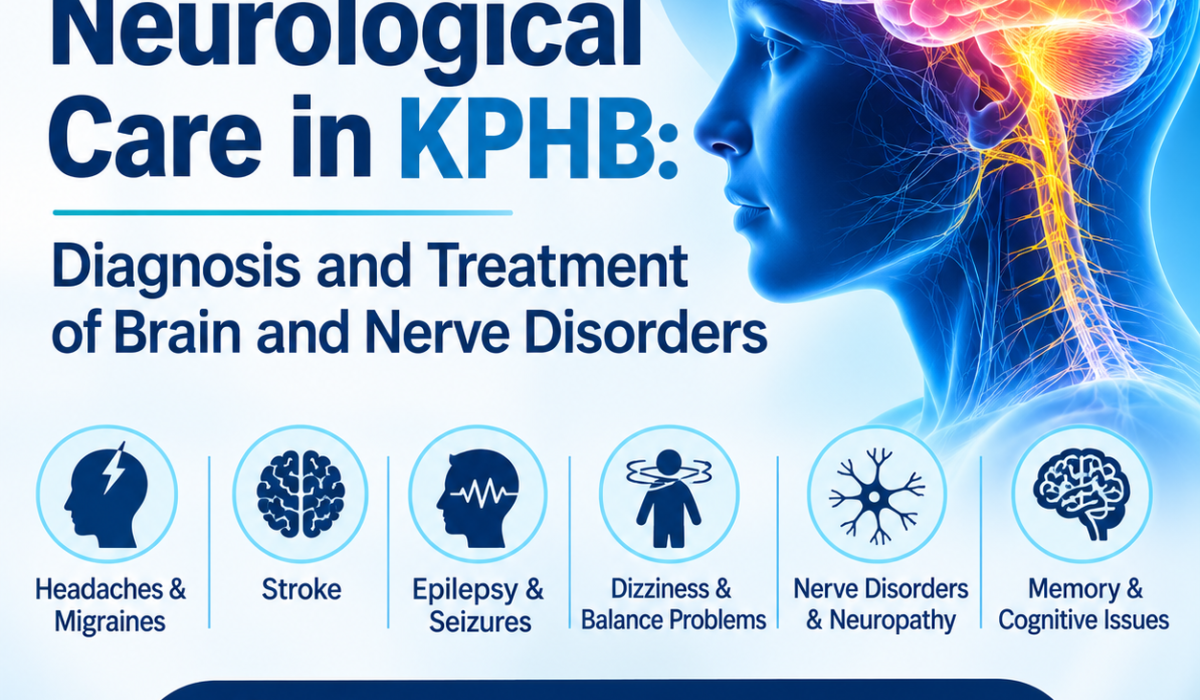
Expert Neurological Care in KPHB: Diagnosis and Treatment of Brain and Nerve Disorders
The brain, spinal cord and nerves play an essential role in controlling every function of the human body. From movement and memory to speech, balance and coordination, the nervous system helps us perform everyday activities. When something affects the nervous system, it can lead to various neurological conditions that require proper medical attention.
If you are experiencing frequent headaches, dizziness, numbness, tingling sensations, memory problems or muscle weakness, consulting an experienced neurologist in KPHB, Hyderabad can help identify the underlying cause and guide appropriate treatment.
What Is Neurological Care?
Neurological care focuses on diagnosing, managing and treating disorders related to the brain, spinal cord and peripheral nerves.
A neurologist is a medical specialist who evaluates symptoms affecting the nervous system and recommends suitable treatment based on the patient’s condition.
Early diagnosis and timely treatment can help manage neurological disorders, reduce complications and improve quality of life.
Common Brain and Nerve Disorders
Several neurological conditions can affect people of different age groups. Some of the commonly treated conditions include:
1. Migraine and Chronic Headaches
Frequent headaches and migraines can interfere with daily activities. Symptoms may include severe head pain, nausea, sensitivity to light and sound, and visual disturbances.
A neurologist can identify migraine triggers and recommend suitable treatment to manage headache frequency and severity.
2. Brain Stroke
A brain stroke occurs when blood supply to part of the brain is interrupted or when bleeding occurs in the brain.
Common warning signs include:
- Sudden weakness in the face, arm or leg.
- Difficulty speaking or understanding speech.
- Sudden vision problems.
- Loss of balance or coordination.
- Sudden severe headache.
Stroke is a medical emergency. Seek immediate emergency medical attention if these symptoms occur.
3. Epilepsy and Seizures
Epilepsy is a neurological condition characterized by recurrent seizures. Symptoms may include uncontrolled body movements, temporary loss of awareness, confusion or unusual sensations.
Proper neurological evaluation and medication can help many patients control seizures.
4. Parkinson’s Disease
Parkinson’s disease is a progressive neurological disorder that affects movement.
Common symptoms include:
- Hand or finger tremors.
- Muscle stiffness.
- Slowness of movement.
- Balance difficulties.
- Changes in walking patterns.
Early diagnosis and appropriate treatment can help manage symptoms and maintain daily functioning.
5. Nerve Disorders and Neuropathy
Nerve-related problems can cause discomfort and abnormal sensations in different parts of the body.
Common symptoms include:
- Tingling sensations in hands and feet.
- Burning or shooting pain.
- Numbness in fingers or toes.
- Muscle weakness.
- Reduced sensation.
A neurologist can evaluate the cause and recommend appropriate management.
6. Vertigo and Balance Disorders
Vertigo creates a sensation that you or your surroundings are spinning. It may be associated with inner ear conditions or neurological problems.
Patients may experience dizziness, imbalance, nausea and difficulty walking.
A proper evaluation helps determine the underlying cause.
When Should You Consult a Neurologist?
Do not ignore persistent or recurring symptoms that may indicate neurological problems.
Consider consulting a neurologist if you experience:
- Frequent headaches or migraines.
- Repeated dizziness or vertigo.
- Memory loss or confusion.
- Numbness or weakness in the arms and legs.
- Recurrent seizures.
- Difficulty walking or maintaining balance.
- Persistent nerve pain.
- Sleep-related neurological disturbances.
Sudden neurological symptoms, especially signs of stroke, require emergency care rather than a routine appointment.
Diagnostic Tests for Brain and Nerve Disorders
Accurate diagnosis is important for selecting the right treatment. Depending on the patient’s symptoms and medical history, a neurologist may recommend:
1. MRI Brain: Provides detailed images of the brain and helps identify structural abnormalities.
2. CT Scan: Helps detect brain bleeding, injuries and certain other abnormalities.
3. EEG (Electroencephalogram): Records electrical activity in the brain and is commonly used to evaluate seizures.
4. Nerve Conduction Study (NCS): Evaluates how electrical signals travel through peripheral nerves.
5. EMG (Electromyography): Assesses muscle electrical activity and helps identify nerve and muscle disorders.
Not every patient requires all these tests. Investigations are recommended based on individual clinical findings.
Treatment Options for Neurological Conditions
Treatment depends on the type and severity of the neurological disorder.
Common treatment approaches include:
- Medications: To manage migraines, seizures, nerve pain and other neurological conditions.
- Lifestyle Modifications: Healthy eating, regular exercise, proper sleep and stress management.
- Physiotherapy: Helps improve strength, mobility, coordination and balance.
- Rehabilitation: Supports recovery and functional improvement after certain neurological conditions, including stroke.
- Advanced Treatment: Selected patients may require specialized procedures or surgical evaluation depending on their diagnosis.
Following the neurologist’s treatment plan and attending regular follow-up appointments are important for long-term management.
Why Choose Expert Neurological Care in KPHB, Hyderabad?
Choosing the right neurologist is an important step towards better brain and nerve health.
When selecting a neurologist in KPHB or Kukatpally, consider:
- Relevant qualifications and clinical experience.
- Expertise in diagnosing different neurological disorders.
- Availability of appropriate diagnostic facilities.
- Clear communication about treatment options.
- Regular monitoring and follow-up care.
- Patient-focused medical consultation.
Access to neurological consultation in the KPHB area can make it easier for patients and families in Kukatpally and nearby locations to seek timely medical advice.