
Can Stress Cause Dizziness?
Feeling dizzy can be unsettling and may interfere with your daily activities. While dizziness is often associated with inner ear disorders, low blood pressure, or neurological conditions, many people are surprised to learn that stress and anxiety can also trigger dizziness.
If you frequently feel lightheaded, unsteady, or experience a sensation that the room is spinning during stressful situations, stress may be playing a significant role. Understanding this connection can help you manage symptoms and know when to seek medical attention.
What is Dizziness?
Dizziness is a general term used to describe sensations such as:
- Feeling lightheaded
- Unsteadiness or loss of balance
- Feeling faint
- A floating sensation
- Vertigo (a spinning sensation)
Dizziness itself is not a disease but rather a symptom of various underlying conditions.
How Does Stress Cause Dizziness?
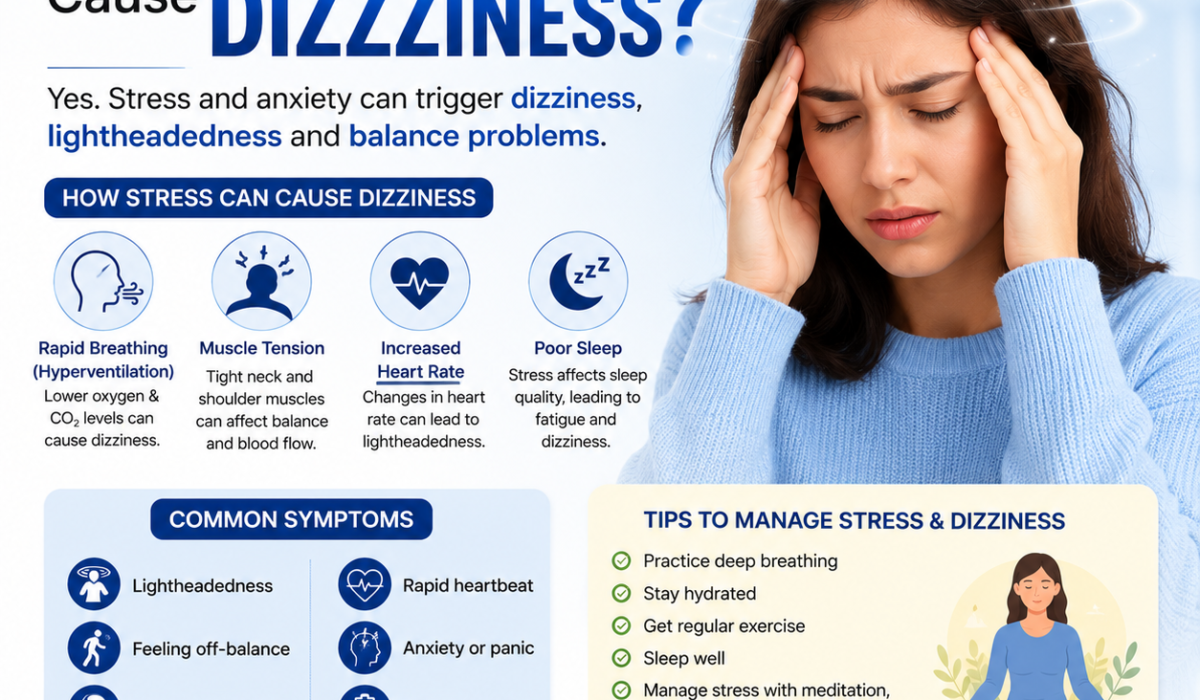
When you’re stressed, your body activates its “fight-or-flight” response. This natural reaction releases hormones such as adrenaline and cortisol, which prepare your body to deal with perceived threats.
These hormonal changes can lead to:
Rapid Breathing (Hyperventilation)
Stress and anxiety often cause people to breathe faster and more shallowly. Hyperventilation can reduce carbon dioxide levels in the blood, leading to:
- Lightheadedness
- Dizziness
- Tingling sensations
- Feeling faint
Muscle Tension
Stress can cause tension in the neck and shoulder muscles, potentially affecting blood flow and balance, resulting in dizziness.
Increased Heart Rate
Anxiety can cause your heart to beat faster, leading to temporary changes in blood circulation that may contribute to dizziness.
Sleep Disturbances
Chronic stress often affects sleep quality. Lack of sleep can impair concentration, balance, and overall brain function, increasing the likelihood of dizziness.
Common Symptoms of Stress-Related Dizziness
People experiencing stress-induced dizziness may report:
- Feeling off-balance
- Lightheadedness
- Floating sensations
- Difficulty concentrating
- Fatigue
- Rapid heartbeat
- Sweating
- Anxiety or panic attacks
Symptoms may worsen during emotionally stressful situations and improve when stress levels decrease.
Can Anxiety Cause Vertigo?
Although anxiety itself does not directly cause vertigo, it can worsen existing balance disorders and create sensations similar to vertigo. In some cases, chronic anxiety can increase sensitivity to balance-related symptoms.
If you experience true spinning sensations, it is important to undergo a medical evaluation to identify the underlying cause.
Other Medical Causes of Dizziness
Not all dizziness is caused by stress. Other potential causes include:
- Inner ear disorders
- Vertigo
- Low blood pressure
- Dehydration
- Migraine
- Stroke
- Neurological disorders
- Heart conditions
- Certain medications
A proper diagnosis is essential to determine the exact cause.
When Should You See a Neurologist?
Seek immediate medical attention if dizziness is accompanied by:
- Sudden weakness or numbness
- Difficulty speaking
- Vision changes
- Severe headache
- Loss of consciousness
- Difficulty walking
- Facial drooping
These symptoms could indicate a serious neurological condition such as a stroke.
You should also consult a neurologist if:
- Dizziness is frequent or persistent
- Symptoms interfere with daily life
- The cause is unclear
- Balance problems are worsening
Managing Stress-Related Dizziness
Several strategies can help reduce symptoms:
Practice Deep Breathing
Slow, controlled breathing can help regulate oxygen and carbon dioxide levels.
Get Adequate Sleep
Aim for 7–8 hours of quality sleep each night.
Stay Hydrated
Dehydration can worsen dizziness.
Exercise Regularly
Physical activity helps reduce stress hormones and improve circulation.
Manage Stress
Yoga, meditation, mindfulness, and relaxation techniques can help lower stress levels.
Limit Caffeine
Excess caffeine may increase anxiety and dizziness in some individuals.
Conclusion
Yes, stress can cause dizziness, particularly when it triggers anxiety, hyperventilation, muscle tension, and sleep disturbances. While stress-related dizziness is common, it is important not to ignore persistent or severe symptoms.
If dizziness is frequent, worsening, or associated with neurological symptoms, consult an experienced neurologist for a thorough evaluation. Early diagnosis can help identify the underlying cause and ensure appropriate treatment.
Your brain and nervous system play a vital role in maintaining balance—taking care of your mental and neurological health is essential for overall well-being.